Source unisex jade ring for gifts, promotions, and collections
Compare 30 unisex jade ring listings from Tianjin suppliers featuring natural nephrite and crystal stones. Buyers can review sizes, colors, and prices for promotional gifts or art collectibles.
Key considerations
Products List



Comprehensive Sourcing Guide
Strategic Sourcing Guide for Unisex Jade Rings
The global market for unisex jade rings presents a unique procurement challenge, blending traditional material appreciation with modern fashion versatility. Buyers entering this sector must navigate a landscape defined by specific material origins, diverse stone treatments, and variable manufacturing capabilities. Based on current market observations, the unisex jade ring category is characterized by a primary origin in Tianjin, China, where manufacturers leverage local supply chains to produce rings ranging from simple promotional items to high-end collectibles. This guide outlines the critical technical, logistical, and quality factors necessary for a successful sourcing strategy, ensuring that procurement decisions are grounded in verifiable data rather than marketing assertions.
Material Composition and Stone Verification
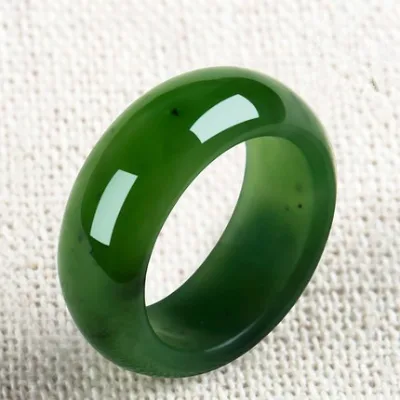
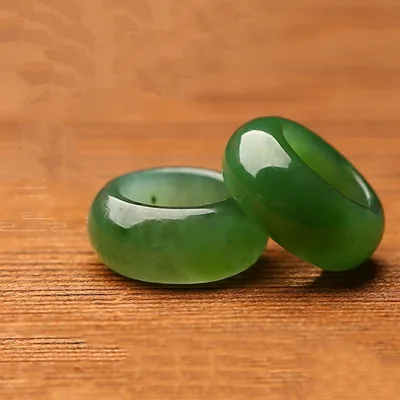
The foundational element of any unisex jade ring procurement is the verification of the stone itself. In the current supply chain, the primary material observed is nephrite jade, often marketed specifically as "Natural Nephrite." This distinction is critical because the market also contains products labeled with stones such as crystal or rhinestone, which serve different price points and aesthetic functions. A buyer must distinguish between a ring featuring a solid jade main stone and one where jade is merely an accent or where the stone is synthetic.
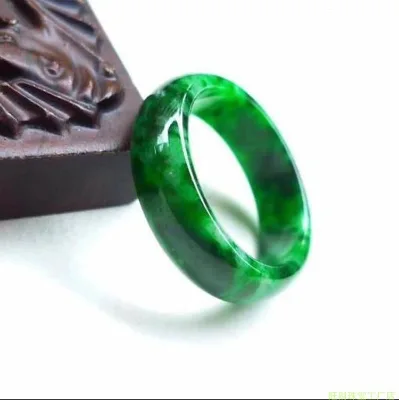
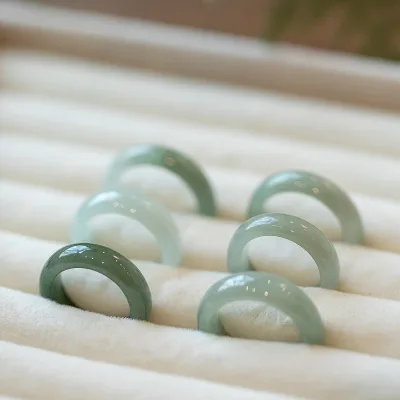
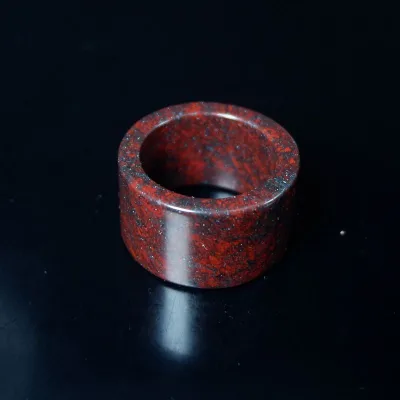
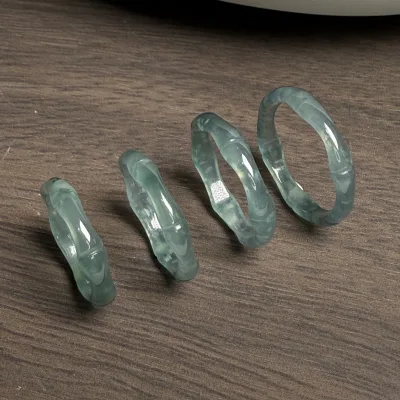
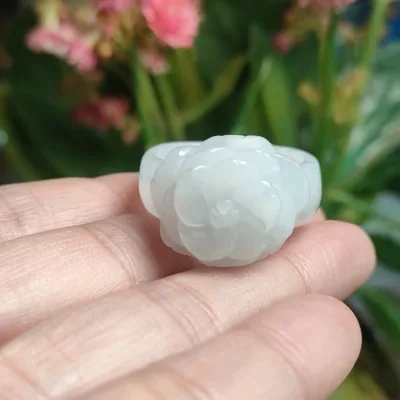
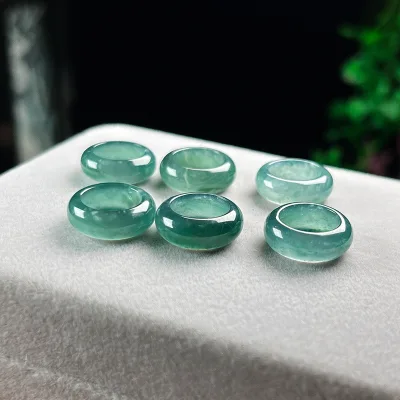
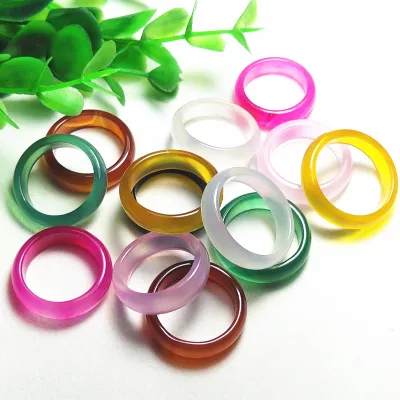
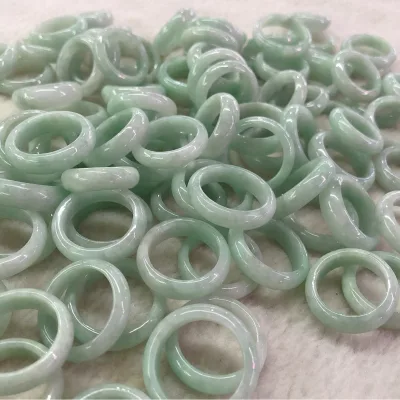
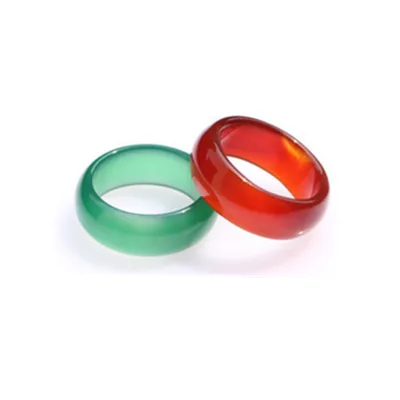
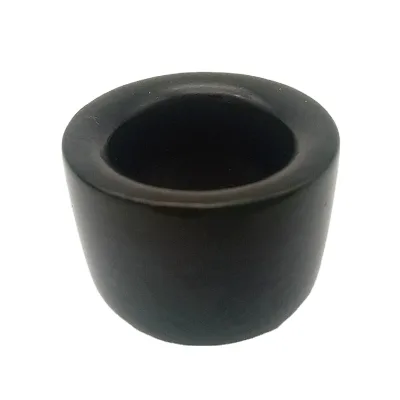
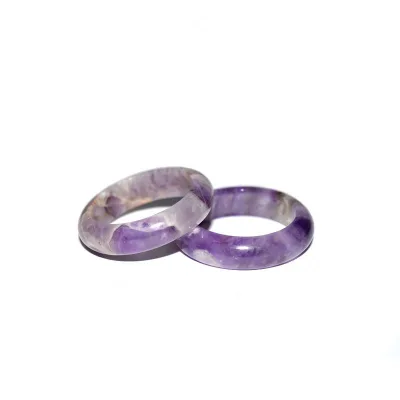
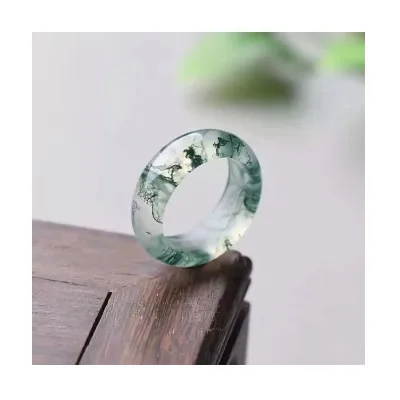
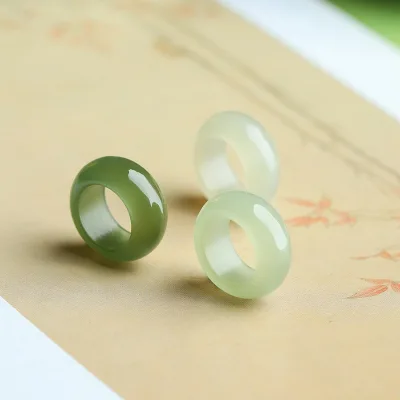
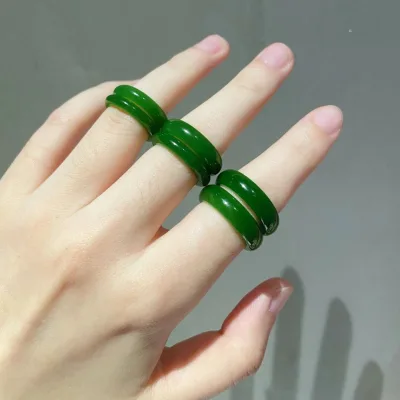
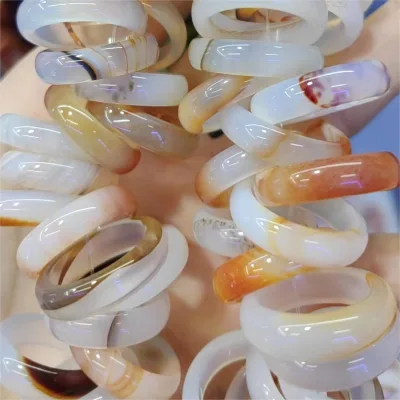
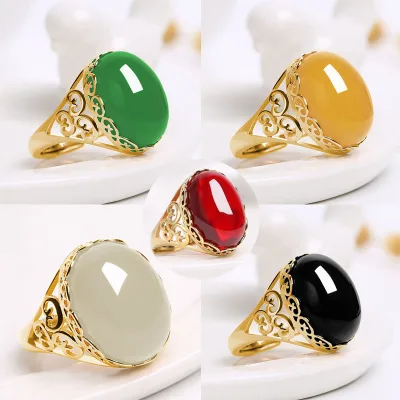
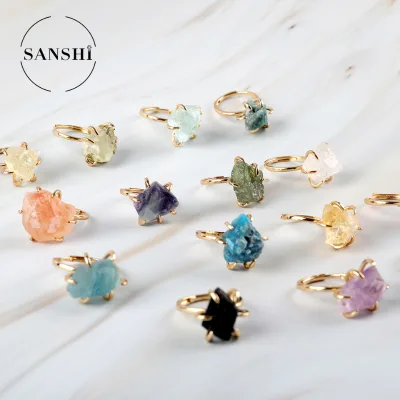
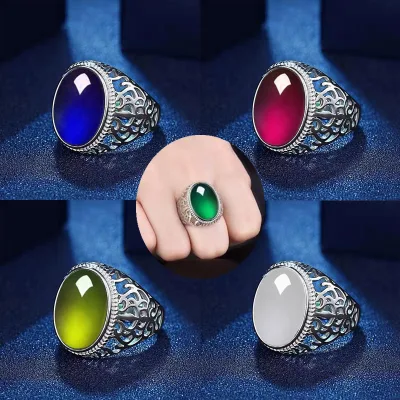
The "Stone Creation Method" is a vital data point for due diligence. While many listings explicitly state "Natural," the presence of "Crystal" or "Rhinestone" in the same product category indicates a need for strict specification enforcement. For a buyer seeking authentic jade, the procurement contract must explicitly require nephrite as the main material, rejecting any substitution with glass, resin, or synthetic crystals. The color palette for these rings is extensive, ranging from the classic "Green" and "White" to multi-color options including red, black, purple, and blue. However, the consistency of color in natural nephrite can vary significantly between batches. Therefore, the procurement specification should define acceptable color tolerances rather than relying on a single "Green" label, as the market data shows a wide spectrum of hues available from the same origin.
Technical Specifications and Dimensional Standards
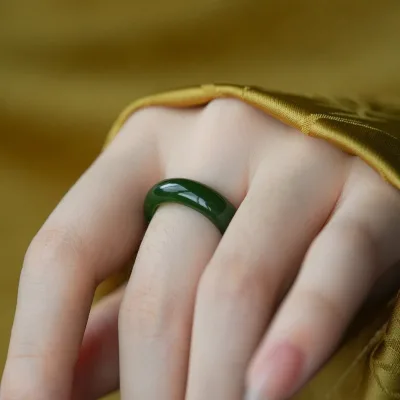
Precision in dimensions is paramount for unisex jewelry, as the target demographic requires a fit that accommodates a wide range of hand sizes without appearing overly delicate or excessively bulky. The observed market data reveals a significant variance in ring sizing, which complicates standardization. Some suppliers offer a specific numerical sizing system (e.g., 9, 9.5, 10, 10.5, 11, 11.5, 12, 12.5, 13, 14), while others utilize a broader range or millimeter-based sizing (e.g., 15-19mm, 16.5-17.5mm). This inconsistency suggests that buyers cannot assume a universal sizing chart applies across all potential suppliers.
The physical dimensions of the product also vary. Package sizes observed range from compact 5x5x4 cm units to larger 10x5x10 cm boxes, indicating differences in packaging density and product volume. The gross weight of the items is another critical specification, with observed values ranging from 0.050 kg to 0.130 kg. This weight variance is likely driven by the thickness of the jade band and the density of the stone used. For a unisex ring, the weight must be sufficient to convey quality but light enough for daily wear. Buyers should request a detailed specification sheet that correlates ring size with weight and package dimensions to ensure logistics planning is accurate. Furthermore, the "Shape/Pattern" is often listed as "Other" or "As the picture," which implies a lack of standardized geometric templates. This necessitates a reliance on physical samples or high-resolution 3D renderings to confirm the final aesthetic before mass production.
Compliance, Certification, and Safety Standards
While the provided data does not list specific certification bodies or test results, the nature of jade sourcing requires rigorous compliance checks. Jade is a mineral product, and its extraction and processing must adhere to environmental and labor standards. Buyers must verify that the nephrite used is sourced ethically and that the processing facilities in Tianjin comply with local environmental regulations. Although no specific certification status is confirmed in the general market data, reputable suppliers should be able to provide documentation regarding the origin of the raw materials.
For jewelry entering international markets, compliance with heavy metal restrictions (such as lead and cadmium limits in plating or settings) is essential. The data indicates that some products have "no plating," which simplifies compliance regarding metal leaching, but others may utilize inlay technologies or different finishes. The "Inlay technology" is listed as "Other," suggesting non-standard methods that may require specific safety testing. Buyers should mandate that all rings undergo third-party testing for heavy metals and allergens, particularly if the rings are intended for sensitive skin or children. Additionally, the "OEM/ODM: ok" attribute indicates that many suppliers offer customization, which introduces intellectual property and design rights considerations. Contracts must clearly define ownership of any custom molds or designs created during the sourcing process.
Cost Drivers and Pricing Dynamics
The pricing for unisex jade rings in the current market spans a wide range, from $0.29 to $400 USD. This extreme variance is driven by several factors, including the quality of the nephrite, the complexity of the design, and the branding of the supplier. The "Brand Name" varies from established labels like "XC" to generic identifiers like "abk," and this branding significantly influences the final price. A ring priced at $0.29 is likely a promotional item or a mass-produced piece with lower-grade stone, whereas a $400 item likely represents high-quality, hand-carved nephrite with superior craftsmanship.
The "MOQ" (Minimum Order Quantity) is another significant cost driver, ranging from 1 piece to 1000 pieces. This flexibility allows buyers to test the market with low-risk orders or commit to larger volumes for better unit economics. However, the "Selling Units" are typically listed as "Single item," which suggests that the pricing structure is per piece rather than per set. Buyers must analyze the cost per unit relative to the MOQ to determine the optimal order size. Additionally, the "Application" of the ring influences its value proposition; rings marketed for "Promotion" or "Gift" may have different cost structures compared to those for "Art & Collectible" purposes. The "Design" attribute, described as "fashion," suggests that trends play a role in pricing, with trendy designs potentially commanding a premium over traditional styles.
Supplier Evaluation and Operational Capabilities
Evaluating suppliers for unisex jade rings requires a focus on their operational consistency and ability to meet diverse specifications. The primary place of origin identified is Tianjin, China, which serves as a hub for this specific type of jewelry manufacturing. Buyers should verify the supplier's capacity to handle the "Model Number" variations observed, such as XCJZ-012, XCJZ-008, and abk, which indicate a portfolio of different product lines. The ability to produce rings with varying "Stone Shapes" (e.g., Round) and "Color" combinations is a key indicator of a supplier's versatility.
The "Feature: Portable" attribute suggests that these rings are designed for ease of transport and storage, which is beneficial for promotional campaigns. However, buyers must assess the supplier's logistics capabilities to ensure that the "Single package size" and "Single gross weight" align with their shipping requirements. The "OEM/ODM: ok" status is a positive indicator, suggesting that the supplier can adapt to custom requests. However, buyers should evaluate the supplier's response time and communication efficiency, as custom jade work often requires iterative feedback loops. It is also essential to verify the supplier's history with "Unisex" products, ensuring they understand the specific fit and aesthetic requirements for a gender-neutral audience.
Quality Control and Long-Term Procurement Strategy
Quality control in the jade ring sector must address both the material integrity and the craftsmanship. Since the "Stone Creation Method" is often "Natural," buyers must implement a rigorous inspection process to identify natural inclusions, cracks, or color inconsistencies that may not be visible in standard product photography. The "Inlay technology" being listed as "Other" requires specific attention to ensure that any setting or mounting is secure and durable.
For long-term procurement, buyers should establish a relationship with suppliers who can maintain consistency in the "Main Stone" quality. The variability in "Color" (Green, White, Red, etc.) means that a supplier must have a robust inventory management system to ensure that future orders match the initial sample. The "Model Number" consistency is also crucial; buyers should ensure that the supplier uses a stable naming convention to avoid confusion in future reorders. Additionally, the "Application" of the ring, whether for "Promotion" or "Art & Collectible," dictates the required quality level. Promotional rings may tolerate minor imperfections, while collectible items must meet high standards of finish and clarity.
Comparative Analysis of Product Attributes
To facilitate decision-making, the following table summarizes the key attributes observed in the unisex jade ring market, highlighting the variability that buyers must manage.
| Attribute Category | Observed Variance | Procurement Implication |
|---|---|---|
| Main Stone | Natural Nephrite, Crystal, Rhinestone | Must specify "Natural Nephrite" in contracts to avoid substitutes. |
| Ring Size | 8-22 (numeric), 15-19mm, 16.5-17.5mm | Requires clear sizing charts; no universal standard observed. |
| Color | Green, White, Red, Black, Purple, Blue, Yellow | Define acceptable color ranges and tolerance levels. |
| Weight | 0.050 kg to 0.130 kg | Verify weight specifications for shipping and perceived value. |
| Package Size | 5x5x4 cm to 10x5x10 cm | Adjust logistics planning based on specific product dimensions. |
| Origin | Tianjin, China | Verify local compliance and shipping routes from this hub. |
| MOQ | 1 to 1000 pieces | Negotiate based on volume to optimize unit costs. |
| Design | Fashion, As the picture, Other | Require physical samples for "Other" or "As the picture" designs. |
Conclusion
Sourcing unisex jade rings requires a disciplined approach that prioritizes material verification, dimensional precision, and supplier reliability. The market data reveals a complex landscape where natural nephrite competes with synthetic alternatives, and sizing standards vary widely. Buyers must navigate these variables by establishing clear technical specifications, demanding third-party compliance testing, and maintaining rigorous quality control protocols. By focusing on the specific attributes of nephrite jade, understanding the logistical implications of varying package sizes and weights, and leveraging the flexibility of OEM/ODM capabilities, buyers can build a sustainable supply chain for this versatile jewelry category. The ultimate goal is to secure high-quality, authentic jade rings that meet the diverse needs of the unisex market while maintaining cost efficiency and operational consistency.
FAQs
What is the main stone material for unisex jade rings?
The main stone material is typically natural nephrite jade. Some listings also feature crystal or rhinestone, so buyers must verify the stone creation method to ensure authenticity.
Which ring sizes are available for unisex jade rings?
Available sizes range from numeric values like 8 to 22 and millimeter ranges such as 15-19mm. There is no universal standard, so specific size charts must be confirmed with each supplier.
Can buyers find unisex jade rings with no plating?
Yes, some products are listed with no plating. This simplifies compliance regarding metal leaching, but buyers should still verify safety standards for other finishes or inlay technologies used.
How much does a unisex jade ring typically cost?
Prices vary widely from 0.29 to 400 USD depending on quality and branding. Lower prices often indicate promotional items, while higher prices reflect high-quality hand-carved nephrite.
What is the minimum order quantity for unisex jade rings?
The minimum order quantity ranges from 1 piece to 1000 pieces. This flexibility allows buyers to test the market with low-risk orders or commit to larger volumes for better unit economics.
Where are unisex jade rings primarily manufactured?
The primary place of origin is Tianjin, China. Buyers should verify local compliance and shipping routes from this hub to ensure efficient logistics and regulatory adherence.
Which colors are available for unisex jade rings?
Colors include green, white, red, black, purple, blue, and yellow. The consistency of color in natural nephrite can vary, so acceptable color tolerances should be defined in the contract.